Radon Testing & Radon Mitigation in Windsor, ON – C-NRPP Certified
C-NRPP certified radon testing and mitigation for Windsor-Essex County.
Local, certified professionals you can trust.
Why Test for Radon?
Radon is an invisible, odorless radioactive gas that can affect homes of any age. Homes in Windsor and across Essex County have elevated radon levels compared to the national average. Testing is the only way to know if your home is affected.
What You Should Know
- Radon is the leading cause of lung cancer in non-smokers
- Health Canada recommends testing every home
- Essex County has higher than average radon levels
- Testing before renovations is recommended
How We Help
- Long-term testing (Health Canada approved)
- Clear, easy-to-understand results
- Professional mitigation systems when needed
- Post-installation verification included
- Local team you can trust
Our Services
⚙️
Mitigation
Professional radon reduction systems designed and installed for your home.
Serving Windsor-Essex County
C-NRPP certified radon testing and mitigation throughout Essex County
Kingsville and area
Leamington area
Amherstburg area
LaSalle and area
In The News
Recent coverage of radon in Windsor-Essex and Canada
CBC News January 2026
Radon gas may be giving more Canadians lung cancer.
National study collecting toenail clippings to prove radon exposure, with goal of broadening cancer screenings.
WECHU November 2025
Prevention and Response to Radon Exposures
WECHU Updated 2026
Information about Radon Testing in Windsor-Essex
11% of homes in Windsor-Essex have radon levels above the Canadian guideline. Learn about testing options.<
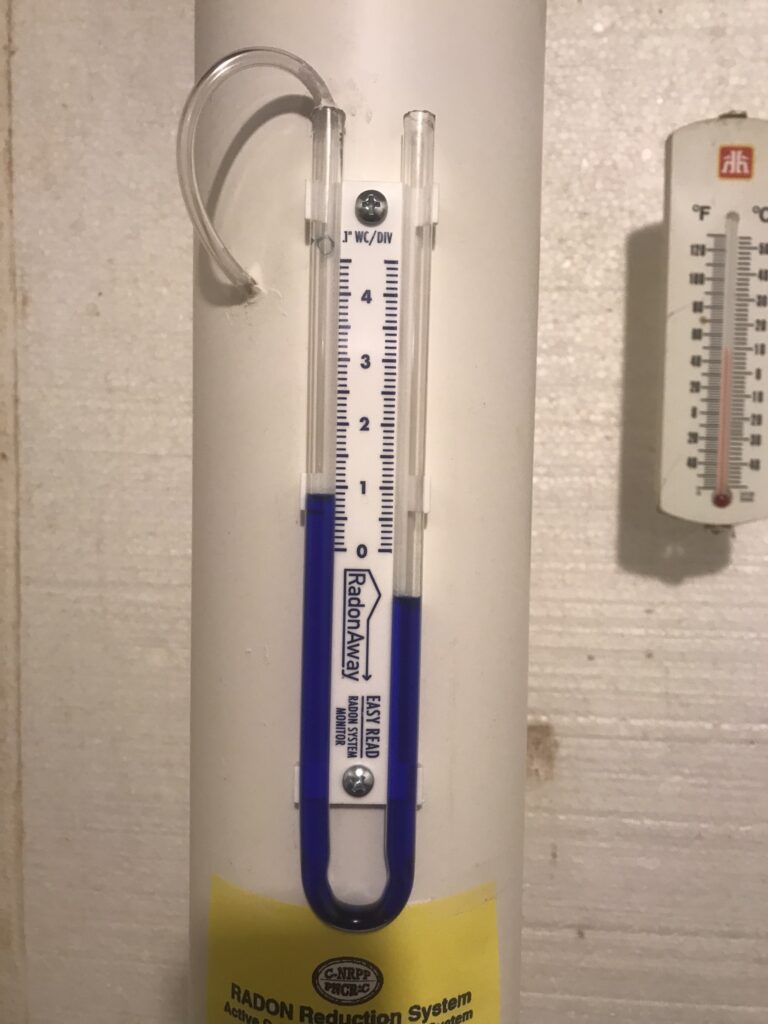
Continuous radon monitor for accurate testing
Windsor Radon uses professional-grade equipment for testing and mitigation
Proudly Serving All of Essex County
No matter where you are in Essex County, we bring certified radon testing and mitigation to your home.
Frequently Asked Questions
Why should I test for Radon?
Radon is the leading cause of lung cancer in non-smokers and is responsible for thousands of deaths each year in Canada. It’s an invisible, odorless gas that can only be detected through testing. Essex County has higher than average Radon levels, making testing especially important for homeowners in our area. Testing is the only way to know if your family is at risk.
What are safe Radon levels?
Health Canada’s guideline is 200 Bq/m³. If your home tests above 200 Bq/m³, Health Canada recommends taking action to reduce levels. However, there is no “safe” level of Radon—any exposure carries some risk. The lower the level, the better. Our goal with mitigation is to reduce levels as far below 200 Bq/m³ as possible.
What does C-NRPP certified mean?
C-NRPP stands for Canadian National Radon Proficiency Program. It means we’ve completed rigorous training, passed certification exams, and follow strict standards set by Health Canada. Choosing a C-NRPP certified professional ensures your Radon system is installed correctly and will actually reduce Radon levels. Our certification is your assurance of quality work.
Does Radon affect pets and children?
Yes. Pets and young children are especially vulnerable to Radon exposure because they spend more time closer to the ground where Radon concentrations are often highest. Children’s growing bodies and faster breathing rates also make them more susceptible to Radon’s harmful effects. If you have pets or young children in your home, Radon testing becomes even more important for their health and safety.
Should I test when buying or selling a home?
Yes, we recommend Radon testing for both buyers and sellers. While not always required in Ontario, many home buyers request Radon testing as part of their due diligence. If you’re selling, having a recent Radon test shows transparency and can prevent delays during negotiations. If you’re buying, testing helps you understand what you’re getting into. Having mitigation done by a C-NRPP certified professional like us ensures the work is done properly and can be verified.
Does the age of my house matter?
No. Radon can affect any home—whether it was built yesterday or 100 years ago. New homes can have Radon just as easily as older homes. Construction methods, soil composition, and foundation type matter more than age. The only way to know if your home has elevated Radon levels is to test. Don’t assume your new home is safe, and don’t assume your old home has a problem. Test to know for sure.
How long does testing take?
Long-term Radon testing takes a minimum of 90 days to get accurate results. This follows Health Canada’s guidelines for proper testing. We place the test device in your home, and it measures Radon levels continuously over the 90-day period. After that, we analyze the results and provide you with a clear report. New homes can have Radon just as easily as older homes. Construction methods, soil composition, and foundation type matter more than age. The only way to know if your home has elevated Radon levels is to test. Don’t assume your new home is safe, and don’t assume your old home has a problem. Test to know for sure.
Is mitigation disruptive to my home?
Radon mitigation is minimally disruptive. The system typically involves installing a vent pipe and fan. Most of the work is done in the basement or crawl space. You can stay in your home during installation, and the work is usually completed within a day or two. The system operates quietly and requires minimal maintenance.
What happens if Radon levels are high?
If your test shows elevated Radon levels, we’ll discuss mitigation options with you. We design and install professional Radon mitigation systems that reduce Radon levels in your home. Most systems use sub-slab or sub membrane to vent Radon safely outside. After installation, we verify that levels have been reduced to safe levels.
About Windsor Radon
Local radon professionals serving your community.
Windsor Radon is based in Tecumseh and serves homeowners throughout Windsor and Essex County. As C-NRPP certified professionals, we follow strict national standards for radon measurement and mitigation to ensure your home is properly protected.
Windsor Radon
C-NRPP certified radon testing and mitigation for Essex County homes and businesses. We’re local professionals committed to protecting your family’s health through proper radon testing and mitigation.
Rock Hard Concrete
Same team. When you work with Windsor Radon, you’re backed by Rock Hard Concrete & Construction—trusted for quality work throughout Essex County.
Get Started
Fill out the form and we’ll get back to you within 1 business day.